Caregiver jobs in Italy for foreigners.
Caregivers are no. 2 of 8 on the list of trades Italy recruits from abroad.
Updated September 2026
- Job offer signed
- Permit application sent
- Decision expected12-30 weeks
Key facts
- Main permit route
- Nulla osta al lavoro subordinato (Decreto Flussi)
- Processing time
- 12-30 weeks
- Certificates employers ask for
- Certified Nursing Assistant (CNA) · Care Certificate · Pflegehelfer · First aid certificate
- Permits issued by
- Sportello Unico per l'Immigrazione (Ministero dell'Interno)
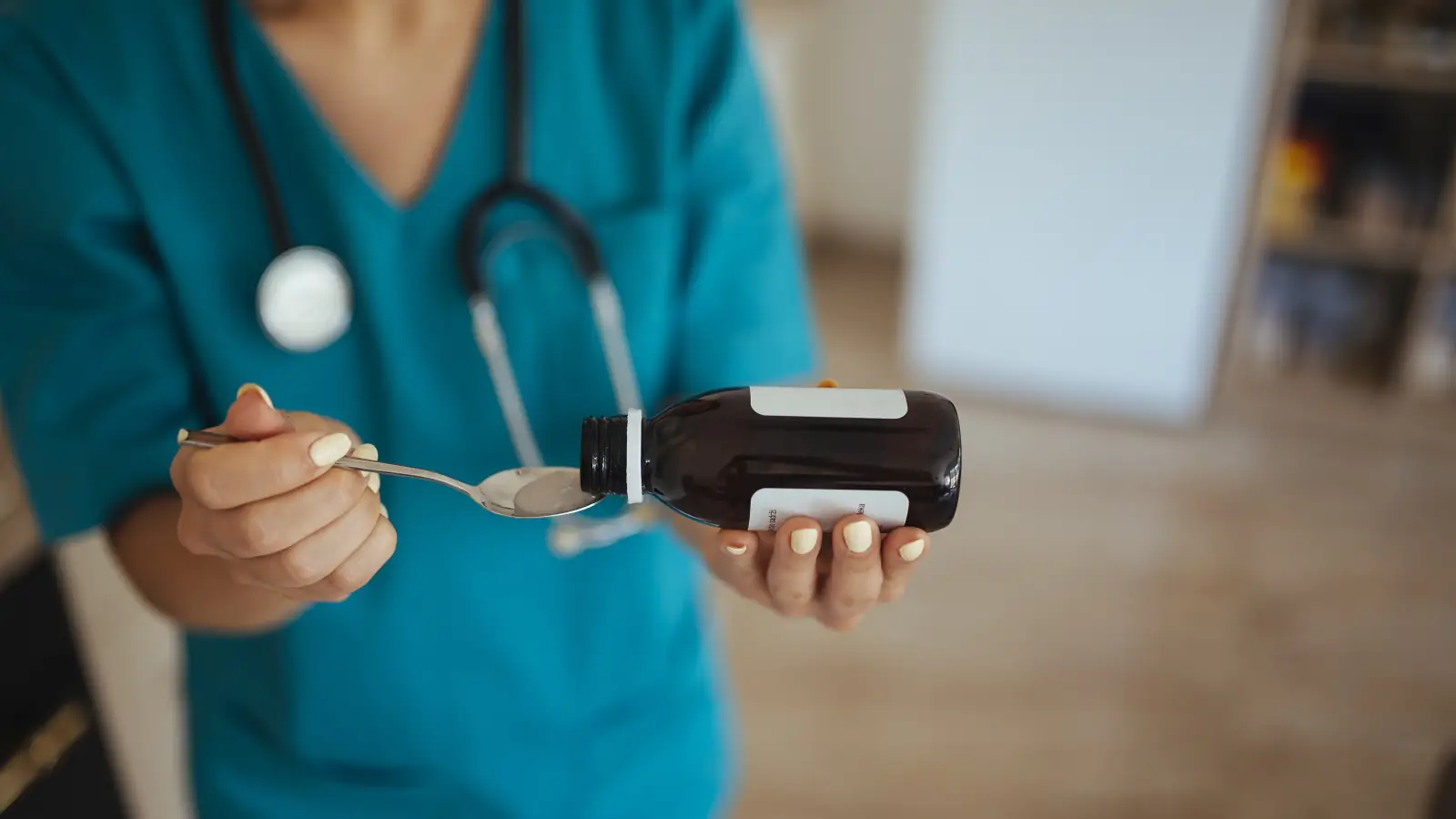
What caregivers do in Italy.
Most care jobs in Italy are with families who hire an assistente familiare, often called a badante, to help an older or disabled person at home. The employer is the family, and the job runs under the CCNL sulla disciplina del rapporto di lavoro domestico (code H501 at CNEL), signed by FIDALDO and DOMINA with FILCAMS, FISASCAT, UILTuCS and FEDERCOLF.
Many carers live in (convivente) with the person they look after, sharing the home and meals. The day includes help with washing, dressing, meals, medicines as instructed by the doctor, walks and company, plus light housework. Live-out carers come for set hours, and some families hire a second person for nights or weekends. Demand is strongest in northern cities and in regions with many older residents.
Hours and shifts
The domestic work agreement has separate pay columns for live-in workers, live-out workers paid by the hour, night assistance (assistenza notturna) and night presence (presenza notturna). The 2026 table lists live-in, night-assistance and hourly rates for each level, so the way your hours are organised decides which column applies.
Your family employer pays social contributions to INPS every quarter; for July to September 2026 the window was 1 to 10 October. Since 2026, employers under 76 pay these online through the INPS Lavoratori Domestici service. Agree in writing your free hours each day, your weekly day off and how night calls are handled.
Recognition and licence, step by step.
What to do, in order, to work as a caregiver in Italy.
- 01
Agree your level in the domestic agreement
The 2026 minimum table, valid from 1 January 2026, runs from level A to DS. Night assistance pay is split between care for a self-sufficient person (level BS) and a person who is not self-sufficient (levels CS and DS). Get your level written in the contract. - 02
Choose live-in or hourly work
Live-in pay is monthly and comes with board and lodging, or an allowance of EUR 6.66 a day when not given: EUR 2.33 for lunch, EUR 2.33 for dinner and EUR 2.00 for lodging. Hourly work is paid per hour actually worked. - 03
Check the family registers you with INPS
The family uses its INPS Cassetto previdenziale for communications on the job and pays contributions each quarter. Ask to see the payment receipt each quarter. The INPS services for domestic workers let you report changes to the job yourself. - 04
Bring proof of your care training
No national registration is needed to work as a family carer. Bring your care course certificate and a first aid certificate, translated into Italian, since they can support placement at a higher level. Higher levels pay a monthly indemnity of EUR 207.69 on top.
Certificates and language.
Families and agencies look for a care course certificate such as Certified Nursing Assistant (CNA), the UK Care Certificate or the German Pflegehelfer, and a first aid certificate. Italian families mostly value practical experience with dementia, lifting and feeding. Bring references from earlier families with phone numbers, translated into Italian. Your contract and level under the domestic work CCNL matter more for pay than any single certificate.
- Certified Nursing Assistant (CNA)
- Care Certificate
- Pflegehelfer
- First aid certificate
Language at work
You live and work in Italian with the person you care for, their family and the family doctor, so everyday spoken Italian matters from day one. You read medicine labels, take phone calls and explain symptoms. No official CEFR level is set for family care, but families often ask for basic conversation at the interview.
What caregivers earn in Italy.
Italy has no statutory minimum wage; the 2026 domestic work table sets the floor. Live-in carers earn at least EUR 1,053.39 a month at level BS and EUR 1,193.84 at level CS, plus board and lodging. Level DS pays EUR 1,474.73 plus a EUR 207.69 indemnity. Night assistance pays EUR 1,211.38 (BS) to EUR 1,372.91 (CS) a month. Live-out hourly minimums are EUR 7.45 at BS and EUR 8.30 at CS. The table rose 1.00% with the ISTAT index in 2026, and the agreement adds a 13th month.
Before you sign.
Points to settle in writing before you sign a caregiver contract in Italy.
- Ask the family to write your level, BS, CS or DS, and the 2026 monthly or hourly rate in the contract.
- Confirm whether you live in, and whether board and lodging are given or paid as EUR 6.66 a day.
- Agree your daily rest, your weekly day off and who covers nights when you are off.
- Ask the family to show the quarterly INPS contribution receipt.
- Ask what care tasks are expected, such as lifting, night calls or medicines, and what help is available.
- Ask whether the family or an agency employs you, and who to call if the person's health changes.
What caregivers earn in other countries
Typical monthly gross pay for foreign hires, from official statistics and collective agreements.
Open caregiver vacancies in Italy.
Recent openings from EURES, the European Commission's job portal. You apply directly with the employer.
- operatore socio-sanitario/operatrice socio-sanitariaGI GROUP S.P.A. · ItalyNov 17
- operatore socio-sanitario/operatrice socio-sanitariaGI GROUP S.P.A. · ItalyNov 17
- assistente infermiere/assistente infermieraGI GROUP S.P.A. · ItalyNov 17
- operatore socio-sanitario/operatrice socio-sanitariaGI GROUP S.P.A. · ItalyNov 17
- assistente infermiere/assistente infermieraGI GROUP S.P.A. · ItalyNov 17
FAQ
Questions about working in Italy.
What do I need before I can work as a caregiver in Italy?
Agree your level in the domestic agreement; Choose live-in or hourly work; Check the family registers you with INPS; Bring proof of your care training.
Which language do I need to work in Italy?
You live and work in Italian with the person you care for, their family and the family doctor, so everyday spoken Italian matters from day one. You read medicine labels, take phone calls and explain symptoms. No official CEFR level is set for family care, but families often ask for basic conversation at the interview.
What is the minimum wage in Italy?
Italy has no single statutory minimum wage. Pay is set by collective agreements for each sector.
Caregivers are also hired in:
Sources
Checked September 2026. Rules change - confirm details with your employer or the authority before you apply.
- Ministero del Lavoro - Lavoro domestico: accordo sui minimi retributivi 2026
- Ministero del Lavoro - Lavoro domestico, tabella minimi retributivi dal 1 gennaio 2026
- INPS - Lavoratori domestici: contributi terzo trimestre e nuova video guida
- CNEL - Report CCNL vigenti al 30 giugno 2025 (lavoro domestico e di cura)
- Sportello Unico per l'Immigrazione (Ministero dell'Interno)
Get found by employers hiring for Italy.
One free profile that employers hiring for Italy and your other chosen destinations can find.
Create your profileFree. No subscription. No commission on your wages, ever.